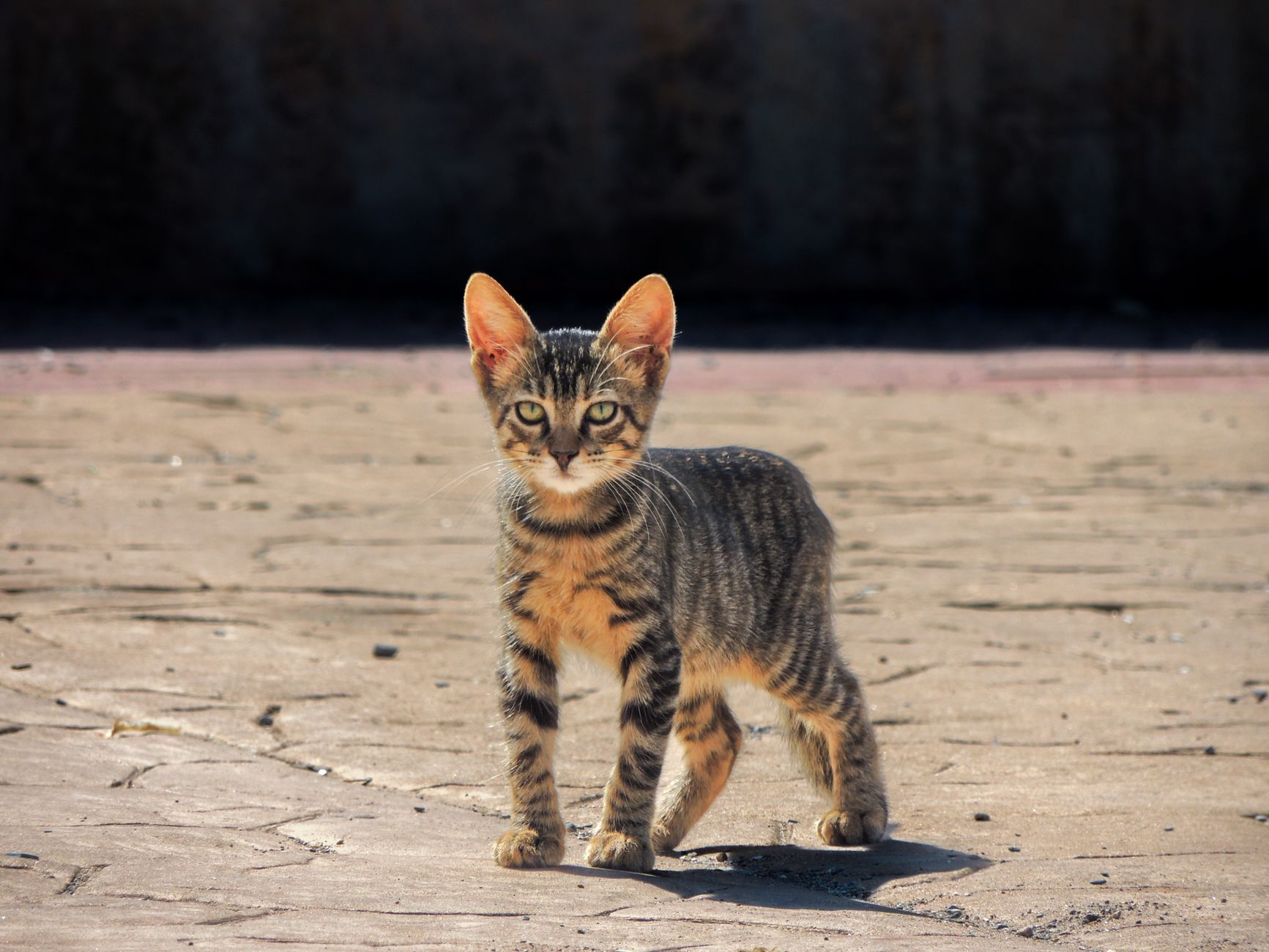
In short: The Abyssinian cat is a medium-sized, short-haired breed prized for its glowing ticked coat, its lithe athletic build, and one of the most playful, people-focused personalities in the cat world. Weighing 6–10 pounds and living 9–15 years, the “Aby” is often called the clown of the cat world — endlessly curious, whip-smart, and happiest in an active home rather than on a quiet lap.
This guide covers everything American owners ask about the Abyssinian cat: temperament, coat colors, lifespan, the health tests responsible breeders run, grooming, feeding, kitten prices from reputable breeders, an honest answer on whether Abyssinians are hypoallergenic, and how to tell if this high-energy breed is the right fit for your household.

Abyssinian Cat Breed Info Card
| Trait | Abyssinian Cat |
|---|---|
| Weight | Males 8–10 pounds; females 6–8 pounds |
| Lifespan | 9–15 years, with many well-cared-for Abys reaching their mid-teens |
| Coat | Short, fine, close-lying single coat with a distinctive “ticked” (agouti) pattern |
| Colors | Ruddy (usual), red/sorrel, blue, and fawn — all ticked |
| Temperament | Active, curious, intelligent, affectionate, athletic, endlessly playful |
| Vocalness | Moderate — a soft, quiet voice, more chirps than loud meows |
| Shedding / grooming | Low — a weekly brush is plenty |
| Origin | Refined in Britain in the 1800s; genetic roots trace to the coastal Indian Ocean region, not Ethiopia |
| Energy needs | Very high — daily active play and vertical climbing space are essential |
| Kitten price (US) | Roughly $1,200–$2,500 from reputable breeders; rescue adoption around $100–$250 |
- Affection toward people
- Energy level
- Vocalness
- Grooming needs
- Good with kids
- Good with other pets
- Intelligence & trainability
- Suits a quiet lap-cat home
History: One of the World’s Oldest-Looking Breeds
The Abyssinian is one of the oldest breeds in the cat fancy, and its origin story is a fascinating mix of myth and modern science. The romantic legend claims that Abyssinian cats are the living image of the sacred cats of ancient Egypt — the sleek, large-eared felines painted on tomb walls and mummified as offerings. The breed’s regal, wildcat-like profile makes it easy to believe, and for over a century the “Egyptian Abyssinian cat” image sold the breed to admirers.
The honest history is more interesting. The breed was named for Abyssinia (present-day Ethiopia) because the first documented show cat, a female called Zula, was said to have been brought to England from that region after the British military campaign there in the late 1860s. But there is no genetic evidence that the modern Abyssinian descends from Ethiopian cats. DNA studies of cat breeds point instead to origins along the coast of the Indian Ocean and parts of Southeast Asia — the ticked-coat cats of that region are the Aby’s true ancestors. In other words: the name is geographic marketing, and the “ancient Egyptian cat” look is a coincidence of a very old coat pattern, not proof of pharaonic lineage.
What is certain is that British breeders refined the Abyssinian into a recognized breed in the 1800s, showing it in England as early as the 1870s. The breed reached the United States in the early 1900s and was nearly wiped out in Britain during the World Wars, before American and European catteries rebuilt it. Today the Abyssinian is consistently one of the most popular short-haired pedigreed breeds registered with the Cat Fanciers’ Association (CFA) and The International Cat Association (TICA).

Appearance and the Famous Ticked Coat
The single most defining feature of the Abyssinian cat is its ticked, or agouti, coat. Instead of tabby stripes or solid blocks of color, each individual hair is banded with two to three shades of color from root to tip. Light and dark alternate along every strand, so the coat seems to glow and shift as the cat moves — an effect sometimes compared to a rabbit’s fur or a wild cougar’s coat. This warm, radiant shimmer is why so many people fall for the breed at first sight.
Physically, the Abyssinian is medium-sized, fine-boned, and beautifully muscled, with long legs and a graceful, arched “on tiptoe” stance that makes it look ready to spring. The head is a modified wedge with large, alert ears and expressive almond-shaped eyes in gold, green, hazel, or copper, rimmed with a dark “eyeliner” line of pigment. The overall impression is of a small wildcat in your living room.
Abyssinian cat colors are where a lot of buyer confusion happens, so here is the honest breakdown of the four recognized shades:
- Ruddy (usual) — the classic and most common Abyssinian, a warm golden-brown ticked with black. This is the coat most people picture.
- Red / sorrel (cinnamon) — a rich coppery-red ticked with chocolate-brown, not to be confused with a solid orange tabby.
- Blue — a soft, warm blue-gray ticked with slate, over a cream base. The “blue Abyssinian cat” is popular and fully recognized in show standards.
- Fawn — the lightest color, a delicate warm buff ticked with deeper cream.
A quick honesty note on searches like “black Abyssinian cat” and “grey Abyssinian cat”: there is no true solid-black Abyssinian in the breed standard. The ruddy’s dark ticking can make an Aby look nearly black in low light, and the blue is what people often mean by “grey,” but a cat sold to you as a solid black or silver Abyssinian is either a different breed, a mix, or a color not accepted in the standard. Ask any breeder to name the recognized color on the registration papers.

Abyssinian Temperament: The Clown of the Cat World
If the ticked coat sells the Abyssinian, the personality is what keeps owners devoted for life. The Abyssinian temperament is best summed up by its most famous nickname: the clown of the cat world. These are busy, comical, intensely curious cats that treat your home as a playground and a research project. An Aby will open cabinets, ride on your shoulder, drink from the faucet, and supervise every task you attempt. They are often described as more dog-like than typical cats — following their favorite person room to room and greeting you at the door.
Athleticism is central to who they are. Abyssinians are climbers and jumpers who want to be at the highest point in any room, so tall cat trees, wall shelves, and window perches aren’t luxuries — they’re requirements. This is a highly intelligent breed that learns fast; many Abys can be taught to fetch, to walk on a harness, and to perform little tricks for a food reward. Boredom is the enemy: an under-stimulated Aby will invent its own entertainment, and you may not love the results.
Socially, Abyssinians are affectionate but on their own terms. They adore their people and hate being ignored, yet many are not classic lap cats — they’d rather be near you and in motion than curled up for an hour of stroking. They generally do well with respectful children, with cat-friendly dogs, and with other active cats. Because they crave company and mental engagement, Abyssinians can get lonely if left alone all day, which is why many owners keep them in pairs or alongside another playful pet.

Abyssinian Cat Health Issues
⚠️ See a veterinarian promptly if your Abyssinian shows:
- Bumping into furniture, hesitation in dim light, or a cloudy, reflective look to the eyes — possible progressive retinal atrophy (vision loss).
- Pale gums, weakness, rapid breathing, or lethargy — possible anemia linked to pyruvate kinase deficiency.
- Increased thirst and urination, weight loss, or poor appetite — possible kidney disease, including renal amyloidosis.
- Limping, a skipping or hopping hind-leg gait, or reluctance to jump — possible patellar luxation (slipping kneecap).
- Red, swollen, or bleeding gums and bad breath — signs of gingivitis and dental disease, which the breed is prone to.
The Abyssinian is generally a hardy, healthy breed, but like all pedigreed cats it carries a handful of known genetic and breed-associated conditions. The good news is that responsible breeders can screen for the most serious ones with simple DNA tests, so buyers should always ask to see results before committing to a kitten.
- Progressive retinal atrophy (PRA-rdAc). An inherited degeneration of the retina that leads to gradual, painless blindness. A reliable DNA test for the rdAc mutation exists, and ethical breeders test their breeding cats so they never pair two carriers. Blind Abys can still live happy indoor lives, but the goal is to breed the disease out.
- Pyruvate kinase deficiency (PK deficiency). An inherited enzyme defect in red blood cells that can cause intermittent anemia. There is a straightforward DNA test; two clear parents cannot produce an affected kitten, which is why the test matters.
- Renal amyloidosis. A serious condition in which abnormal protein deposits build up in the kidneys, leading to chronic kidney failure. It appears in some Abyssinian and Somali lines. There is no cure, so early detection through routine bloodwork and urine testing is key.
- Patellar luxation. A kneecap that slips out of its groove, causing an intermittent limp or hopping gait. Mild cases are managed conservatively; severe cases may need surgery.
- Gingivitis and periodontal disease. Abyssinians are notably prone to gum inflammation and early dental disease. Routine tooth brushing and professional cleanings protect both the mouth and, over time, the kidneys and heart.
This article is informational and does not replace an examination by a licensed veterinarian. If you suspect a health problem, consult your vet.
Abyssinian Cat Lifespan
The Abyssinian cat lifespan is typically 9 to 15 years, and it’s not unusual for a healthy, well-cared-for indoor Aby to reach its mid-to-late teens. As with any breed, longevity comes down to genetics plus daily care: buy from health-tested lines, keep your cat indoors or safely enclosed, feed appropriately, stay current on veterinary checkups, and — because this breed is prone to dental disease and kidney issues — prioritize dental care and routine bloodwork as your cat ages. Catching kidney or eye problems early is the single biggest lever an owner has on an Abyssinian’s healthy years.
Grooming and Shedding
Grooming is the easy part of Abyssinian ownership. The short, fine, close-lying coat has no undercoat to speak of, so shedding is low and the breed is close to wash-and-wear. A quick once-weekly brush or a rubber grooming mitt removes loose hairs, keeps the ticked coat gleaming, and doubles as bonding time — most Abys enjoy the attention. During spring and fall you may notice a little extra shedding; brushing twice a week for those few weeks keeps it under control.
Round out the routine with nail trims every couple of weeks, regular ear checks, and — most importantly for this breed — a dental program. Because Abyssinians are prone to gingivitis, aim to brush your cat’s teeth several times a week with a cat-safe enzymatic toothpaste, and schedule professional cleanings as your veterinarian recommends. Baths are rarely needed; the coat stays clean on its own.
Are Abyssinian cats hypoallergenic? Honestly, no — no cat truly is. Abyssinians are not on any legitimate list of hypoallergenic breeds. Cat allergies are triggered mainly by the Fel d 1 protein in saliva and skin oils, not by hair length or shedding volume, and Abyssinians produce it like other cats. That said, their short, low-shedding single coat means less loose fur and dander distributed around the home, which some mild allergy sufferers find easier to live with. If allergies are a serious concern, spend time with the breed before committing.

Feeding and Weight Management
An Abyssinian is a lean, athletic cat and should be fed to stay that way. Choose a high-quality cat food — wet, dry, or a combination — that meets AAFCO nutritional standards for your cat’s life stage, with a named animal protein as the first ingredient. As obligate carnivores, cats thrive on animal-based protein and moisture; many owners feed at least some canned or wet food to support hydration and urinary and kidney health, which matters for a breed with kidney risks.
- Kittens: feed a growth or all-life-stages formula in several small meals a day to fuel their fast metabolism and rapid growth.
- Adults: two measured meals a day works well. Free-feeding dry food often leads to weight gain, even in an active breed.
- Body condition: a healthy Aby is sleek and muscular — you should feel the ribs easily under a thin layer of muscle and see a slight waist from above.
- Enrichment feeding: because Abyssinians are so smart and busy, food puzzles and treat balls turn mealtime into mental exercise and slow down fast eaters.
Keep fresh water available at all times, and if your cat is a fan of running water — many Abys love to play in and drink from the tap — a pet fountain can encourage healthy drinking. Always transition to a new diet gradually over a week or so to avoid stomach upset.
Is an Abyssinian Cat Right for You?
🐾 Who this breed suits
- Active, interactive households
- People who want a quiet lap cat
- Homes that are empty all day
- Families with respectful children
- Multi-pet homes with playful animals
- First-time cat owners willing to enrich
- Owners wanting a low-grooming breed
Get an Abyssinian if: you want an interactive, entertaining companion that acts more like a small dog than a typical cat, you can provide daily play and vertical climbing space, and you like the idea of a cat that’s genuinely involved in your day. Abys are wonderful for people who want personality and athleticism in a low-maintenance, low-shedding coat.
Think twice if: you want a calm cat that will sleep on your lap while you work, you’re away from home for long stretches with no second pet, or you can’t offer climbing furniture and daily engagement. A bored, lonely Abyssinian becomes a mischievous one. This is not the breed for someone seeking a placid, undemanding house cat.
Abyssinian Kittens, Breeders, and Price

How much does an Abyssinian cat cost? From reputable US breeders, an Abyssinian kitten typically costs about $1,200–$2,500, with pet-quality kittens from health-tested parents often landing in the $1,000–$1,800 range and show- or breeding-quality kittens with champion bloodlines running higher. Prices swing with lineage, region, color, and the breeder’s reputation. Budget beyond the purchase price, too: quality food, litter, enrichment, and routine veterinary care for an active indoor cat typically add several hundred dollars a year, more in years with dental cleanings.
When evaluating an Abyssinian cat breeder, look for DNA test results for PRA (rdAc) and pyruvate kinase deficiency on both parents, a clean bill of health with a written health guarantee, kittens raised underfoot in the home rather than in cages, and a breeder who asks you plenty of questions in return. Be cautious of “Abyssinian kittens for sale” listings priced far below market with no health testing or registration papers — cheap kittens from unscreened parents are how buyers end up with expensive genetic problems. Reputable breeders are usually registered with the CFA or TICA and will happily discuss the breed’s downsides.
Consider rescue. Abyssinians do turn up in shelters and in breed-specific rescues, often as adults surrendered by owners who underestimated the breed’s energy. Adoption through a shelter or an Abyssinian and Somali rescue typically costs around $100–$250, and an adult cat comes with a known personality — a real advantage if you want a specific temperament. Rescuing is one of the most rewarding ways to bring this breed home.
Frequently Asked Questions
Are Abyssinian cats expensive?
Abyssinians are a mid-to-upper-priced pedigreed breed. A kitten from a reputable US breeder generally costs about $1,200–$2,500, depending on lineage, color, and quality, while adoption through a shelter or breed rescue runs closer to $100–$250. Ongoing costs for food, litter, enrichment, and veterinary care add several hundred dollars each year.
What is special about Abyssinian cats?
Two things set Abyssinians apart: their glowing ticked (agouti) coat, where each hair is banded with several colors, and their exceptionally playful, dog-like personality. Often called the clown of the cat world, Abys are intelligent, athletic, and deeply people-oriented — climbing, fetching, and involving themselves in everything their family does.
Do Abyssinian cats like to be held?
Abyssinians are very affectionate but usually prefer being near you and in motion rather than held still for long. Many are not classic lap cats — they’d rather ride on your shoulder or supervise from a perch. Some enjoy short cuddles on their own terms, but most show love through play and constant companionship instead.
Do Abyssinian cats love water?
Many do. Abyssinians are famously curious about running water and often play in a dripping faucet, bat at the sink, or drink straight from the tap. Not every Aby is a water fan, but the breed’s playful, investigative nature makes water games common. A pet fountain can entertain them and encourage healthy hydration.
Do Abyssinians get lonely easily?
Yes. Abyssinians are highly social and thrive on company and mental engagement, so they can become bored, stressed, or mischievous when left alone all day. Many owners keep them in pairs or with another active, cat-friendly pet. Plenty of toys, climbing space, and daily interaction help a solo Aby stay happy.
Do Abyssinians get along with dogs?
Generally yes. The Abyssinian’s confident, playful temperament makes it one of the more dog-compatible cat breeds, and many Abys happily coexist with — or even befriend — a cat-friendly dog. Success depends on slow, supervised introductions and a dog that won’t chase or harass. Their shared love of play often turns into genuine companionship.
Are Abyssinian cats best kept indoors or outdoors?
Abyssinians should be kept indoors, or given outdoor access only in a secure enclosure (“catio”) or on a harness. Their curiosity, athleticism, and value make them vulnerable to traffic, theft, predators, and disease outdoors. Indoor Abys live longer, and with enough vertical space, toys, and play they stay fully stimulated inside.
Are Abyssinian cats hypoallergenic?
No. No cat is truly hypoallergenic, and Abyssinians are not an exception — they produce the Fel d 1 allergen like other cats. Their short, low-shedding coat spreads less loose hair and dander, which some mild allergy sufferers tolerate better, but sensitive individuals should spend time around the breed before committing.
Related Breeds
If the Abyssinian’s energy and ticked coat appeal to you, explore these close relatives and lookalikes in our cat breeds hub:
- Somali — essentially a long-haired Abyssinian, with the same ticked coat, playful personality, and a plume of a tail; the two share bloodlines and health traits.
- Bengal — another athletic, high-energy breed with a wild look, for owners who love an active, engaged cat and want spotted or marbled markings.
- Ocicat — a spotted breed developed in part from Abyssinian lines, combining a wildcat appearance with a friendly, sociable temperament.
Sources: Cat Fanciers’ Association (CFA), The International Cat Association (TICA), Cornell Feline Health Center, and peer-reviewed feline DNA research — consulted for facts only. All text is original.
This article is for informational purposes and does not replace an examination by a licensed veterinarian.
Related on AskThePaw
- Sphynx Cat: Personality, Care, Health & Price Guide
- Siberian Cat: Breed Guide, Hypoallergenic Facts & Price
- Siamese Cat Breed Guide: Colors, Personality & Care
- Ragdoll Cat Breed: Personality, Size, Care & Price
- Persian Cat Breed Guide: Personality, Grooming & Price
- Norwegian Forest Cat: Size, Personality, Colors & Price
