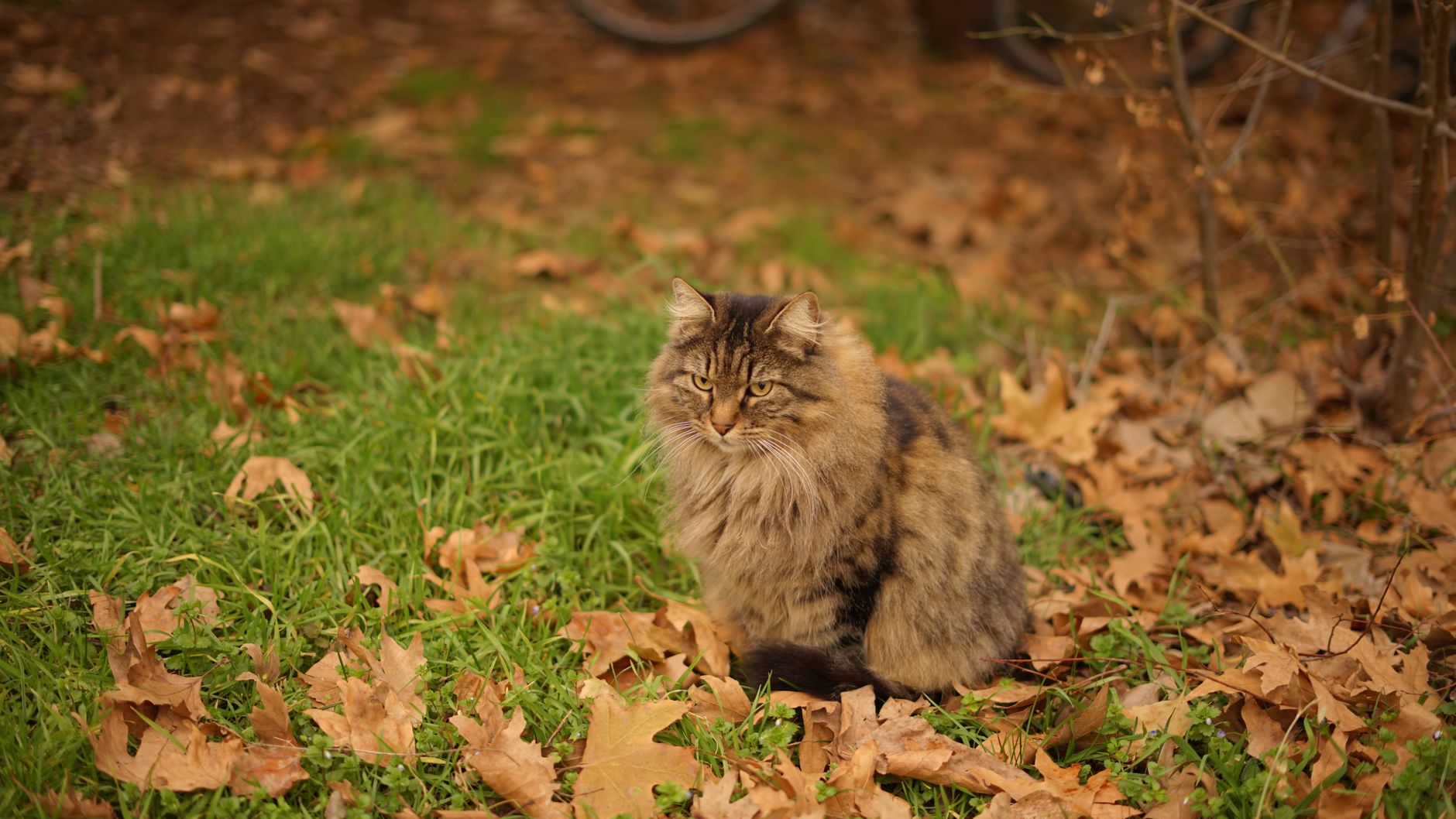
In short: The Siberian cat is a large, semi-longhaired natural breed from Russia, weighing 8–17 pounds and standing out for its dense triple coat, dog-like affection, and reputation as one of the most hypoallergenic cats. Also called the Siberian Forest cat, it is powerfully built yet gentle, highly intelligent, playful into old age, and remarkably devoted to its family — an excellent house pet for allergy-prone and active households alike.
Centuries in the Russian taiga shaped a rugged, muscular cat that acts more like a devoted companion than an aloof feline. This guide covers everything American owners ask about the Siberian cat breed: temperament, size, coat colors, the truth about the “hypoallergenic” claim, health, lifespan, grooming, and honest pricing for Siberian kittens from reputable breeders.

Siberian Cat Breed Info Card
| Trait | Siberian Cat |
|---|---|
| Weight | Males 12–17 pounds; females 8–12 pounds |
| Height | 9–11 inches at the shoulder |
| Length | Up to 25 inches, plus a long bushy tail |
| Lifespan | 11–18 years |
| Coat | Semi-long, dense triple coat, water-resistant |
| Colors | Nearly every color and pattern — brown tabby, orange (red), silver, white, grey, black, and color-point (Neva Masquerade) |
| Temperament | Affectionate, playful, intelligent, dog-like, adaptable |
| Registry | Natural breed; recognized by TICA (2006) and CFA (2006) |
| Origin | Russia — a landrace cat dating back centuries |
| Allergy profile | Often lower Fel d 1 protein — better tolerated by many allergy sufferers, but not truly allergen-free |
| Kitten price (US) | Roughly $1,200–$4,000 from reputable breeders |
- Affection level
- Energy level
- Intelligence
- Shedding
- Good with kids
- Good with other pets
- Vocality
- Allergy-friendliness
History: A Cat Forged by the Russian Taiga
The Siberian cat is one of the oldest natural cat breeds in the world — a landrace that developed over centuries in the harsh forests and villages of Russia with no help from human breeders. References to long-haired Russian cats appear in writing as far back as the year 1000, and the breed has been woven into Russian folklore, children’s books, and monastery life for generations. Farmers and shopkeepers prized these cats as hardy, self-sufficient mousers that could survive brutal Siberian winters, which is exactly what shaped the dense, insulating coat and sturdy, muscular body we see today.
Because this is a natural breed rather than an engineered one, the Siberian was never selectively bred toward an extreme look. It simply became the cat that the climate demanded: big-boned, weatherproof, agile enough to climb and hunt, and social enough to live alongside people. The breed only became formalized in the late 20th century. The first Siberian cats left Russia for the United States in 1990, after the Cold War thaw made export possible, and American cat registries followed — The International Cat Association (TICA) accepted the breed in 1996 for championship and the Cat Fanciers’ Association (CFA) granted full recognition in 2006.
A close cousin worth knowing is the Neva Masquerade — the color-point variety of the Siberian, with the blue eyes and Siamese-style markings of a Ragdoll but the full Siberian body and personality. Some registries treat it as its own breed; others consider it a Siberian coat variety. Either way, it shares the same origins and temperament.
Siberian Cat vs. Maine Coon: How to Tell Them Apart
Because both are giant, fluffy, semi-longhaired cats, people constantly ask whether a Siberian cat is a Maine Coon. They are two entirely separate breeds that happened to evolve big coats for cold climates on different continents. Here is how they differ.
| Feature | Siberian Cat | Maine Coon |
|---|---|---|
| Origin | Russia (natural landrace) | Maine, USA (natural landrace) |
| Body shape | Rounded, barrel-chested, medium-large | Long, rectangular, very large |
| Weight | 8–17 pounds | 10–25 pounds |
| Head | Rounded, sweet, modified wedge | Squarer muzzle, high cheekbones |
| Coat | Dense triple coat, water-resistant | Shaggy, uneven length, silkier |
| Allergy profile | Often lower Fel d 1 allergen | Typical allergen levels |
| Personality | Affectionate, playful, agile jumper | Gentle, laid-back “gentle giant” |
The quickest tell: a Maine Coon has a rectangular, long-nosed profile and often huge lynx-tipped ears, while the Siberian cat has a rounder, softer face and a more compact, athletic body. Siberians are also spectacular jumpers — their powerful hind legs let them clear counters and doorframes with ease.

Siberian Cat Temperament and Family Life
The Siberian cat personality is the breed’s real superpower. These cats are famously “dog-like”: they greet you at the door, follow you room to room, come when called, and many learn to play fetch. Siberians bond deeply with their whole family rather than picking a single person, and they stay playful and kitten-like well into adulthood — expect a cat that will chase a toy at age ten. They are affectionate without being needy, and their moderate, chirpy voice means they communicate in soft trills and quiet meows rather than constant loud demands.
Are Siberian cats good house pets? Yes — this is one of the best-tempered breeds for a busy family home. Siberians are patient with children, genuinely enjoy the company of dogs and other cats, and adapt calmly to noise and activity. Their intelligence means they crave interaction and puzzle play; a bored Siberian will invent its own entertainment, often involving water, since many love to splash in sinks and drink from running faucets. Give them climbing space, interactive toys, and daily play, and you get a devoted, easygoing companion.
Any downsides? Honesty matters here. The dense coat sheds and needs regular brushing, especially during two heavy seasonal molts. Siberians are social and dislike being left alone for very long stretches — a second pet helps. They are strong, agile, and love heights, so fragile shelf decor is at risk. And well-bred kittens are expensive and often waitlisted. None of these are dealbreakers, but they are the trade-offs of living with this affectionate, high-engagement breed.
Are Siberian Cats Really Hypoallergenic?
This is the single most-searched question about the breed, so let’s be precise: no cat is 100% hypoallergenic, but Siberian cats are among the best-tolerated breeds for allergy sufferers. The reason is a protein called Fel d 1, produced mainly in cat saliva and skin glands and spread onto the fur during grooming. Fel d 1 — not the hair itself — is what triggers most cat allergies. Studies and breeder testing suggest many Siberians produce noticeably lower levels of Fel d 1 than the average cat, and some individuals produce very little.
The catch is that Fel d 1 output varies from cat to cat, even within the same litter. Females and neutered males tend to produce less; intact males often produce more. Reputable Siberian breeders who cater to allergy families will actually test individual cats’ Fel d 1 levels and can match you with a low-allergen kitten. If anyone in your home has cat allergies, the smart move is to spend time with the specific kitten’s parents before committing, and ask the breeder for allergen testing results rather than trusting the breed label alone.
Siberian Cat Size, Colors, and Coat
The Siberian is a medium-to-large cat that is slow to mature — it can take up to five years to reach full adult size, so those adorable Siberian kittens keep growing long after most breeds have finished. Adult males typically weigh 12–17 pounds and females 8–12 pounds, with a rounded, barrel-chested body, powerful legs, large tufted paws that act like snowshoes, and a long, plush tail carried like a banner.
The Siberian cat comes in nearly every color and pattern imaginable, which is part of the fun of the breed. Common and searched-for varieties include:
- Brown tabby — the classic “wild” Siberian look, in classic, mackerel, and spotted patterns.
- Orange (red) Siberian — warm ginger cats, often striking with the breed’s full coat.
- Silver and grey — smoke, silver tabby, and solid blue-grey coats.
- White Siberian — pure white, sometimes with odd-colored eyes.
- Black — solid black and black smoke.
- Color-point (Neva Masquerade) — cream body with darker points and vivid blue eyes.
The signature feature is the triple coat: a guard layer, an awn layer, and a dense down undercoat that together make the cat water-resistant and winter-proof. The coat is fullest in cold months and thins noticeably in summer. A ruff around the neck, “britches” on the hind legs, and tufted ears and toes complete the rugged forest-cat appearance.
Siberian Cat Health Issues
⚠️ See a veterinarian promptly if you notice:
- Rapid or labored breathing, open-mouth panting, or sudden lethargy — possible hypertrophic cardiomyopathy (HCM), the most important heart concern in the breed.
- Hind-leg weakness, fainting, or a suddenly cold, painful back leg — a heart-related blood clot is a medical emergency.
- Increased thirst and urination, weight loss, or poor appetite — possible kidney disease, common in aging cats.
- Straining in the litter box or bloody urine — a urinary blockage is life-threatening, especially in males.
As a natural breed with a broad gene pool, the Siberian cat is generally healthy and hardy. But no breed is immune to inherited disease, and responsible Siberian cat breeders screen their breeding cats. Buyers should ask for the paperwork on these conditions:
- Hypertrophic cardiomyopathy (HCM). The most common inherited heart disease in cats, in which the heart muscle thickens. It is the top health concern in Siberians. Good breeders have their cats’ hearts screened by a veterinary cardiologist via echocardiogram.
- Polycystic kidney disease (PKD). An inherited condition causing fluid-filled cysts in the kidneys. A simple DNA test lets breeders avoid producing affected kittens; ask if the parents are PKD-negative.
- Dental disease. Like most cats, Siberians are prone to tartar, gingivitis, and periodontal disease. Regular tooth brushing and dental checkups prevent painful problems later.
- Obesity. Because Siberians are big and food-motivated, weight gain is a real risk that stresses the heart and joints. Portion control matters.
This article is informational and does not replace an exam by a licensed veterinarian. If you suspect a health problem, consult your vet.
How Long Do Siberian Cats Live?
The Siberian cat has a life expectancy of roughly 11–18 years, and many well-cared-for indoor Siberians live into their mid-to-late teens. That longevity is a payoff of the breed’s natural, non-extreme genetics. The biggest levers you control are keeping your cat at a lean, healthy weight, feeding a high-quality diet, keeping it indoors or in a secure catio, staying current on veterinary checkups and dental care, and screening early for the heart and kidney conditions the breed can carry. Cats hide illness well, so a yearly (twice yearly for seniors) vet exam is the best insurance for a long life.
Grooming and Shedding
That gorgeous triple coat comes with a maintenance bill, but it’s more manageable than it looks. Brush your Siberian two to three times a week with a stainless-steel comb to prevent mats, working through the ruff, belly, and “britches” where tangles form. Twice a year — usually spring and fall — the breed goes through a heavy seasonal molt, and during those few weeks daily brushing keeps loose down from ending up on every surface. So yes, Siberian cats do shed, but their coat is less prone to matting than a Persian’s and mostly self-maintaining outside molting season.
Baths are rarely needed — the water-resistant coat repels dirt, and many owners bathe only occasionally, sometimes for allergy management. Round out the routine with nail trims every couple of weeks, weekly ear checks, and regular tooth brushing. Interestingly, many Siberians actually enjoy water, so bath time can be less of a battle than with other breeds.
Feeding, Play, and Training
Siberians are obligate carnivores like all cats and thrive on a high-quality diet with animal protein as the first ingredient, meeting AAFCO standards for the cat’s life stage. Because the breed is large, slow-maturing, and food-motivated, portion control is essential to prevent obesity. Feed measured meals rather than free-feeding a full bowl all day, provide constant fresh water (a pet fountain suits their love of running water), and use treats sparingly for training and enrichment.
- Kittens: feed a kitten formula in several small meals a day to fuel their long growth period.
- Adults: two measured meals daily; watch body condition — you should feel ribs under a light fat layer.
- Play: Siberians are athletic and smart. Provide tall cat trees, window perches, wand toys, and puzzle feeders. Two 10–15 minute interactive play sessions a day keep them happy.
- Training: this is one of the most trainable cat breeds. They learn fetch, “sit,” high-fives, and even leash walking with reward-based training. Clicker training channels their intelligence and prevents boredom.
Is a Siberian Cat Right for You?
🐾 Who this breed suits
- Allergy-prone households
- Families with children
- Homes with dogs & other cats
- First-time cat owners
- People away long hours daily
- Owners wanting a low-grooming cat
- Apartment living
Get a Siberian if: you want an affectionate, dog-like companion that’s great with kids and other pets, you or a family member has mild cat allergies and you can meet the cat first, and you don’t mind regular brushing and a bit of shedding in exchange for a devoted, playful cat that stays kitten-like for years.
Reconsider if: you’re away from home for very long stretches every day, you want a truly hands-off, low-shedding cat, or an allergy sufferer in the home reacts strongly and can’t test-drive an individual cat first. The “hypoallergenic” label is real for many people but not a guarantee for everyone.
Siberian Kittens, Breeders, and Price

How much does a Siberian cat cost? From reputable Siberian cat breeders in the United States, expect a kitten price of roughly $1,200–$4,000, with most pet-quality kittens from health-tested parents landing between $1,500 and $2,500. Show- or breeding-quality cats, rare colors, low-allergen tested kittens, and the color-point Neva Masquerade command the top of that range and beyond. Because the breed is popular and litters are limited, good breeders often maintain waitlists. Budget for ongoing care too — quality food, litter, enrichment, and routine vet visits typically add $600–$1,200 per year.
When evaluating a breeder, look for HCM screening by a cardiologist, PKD DNA testing, a written health guarantee, kittens raised underfoot in the home, and a willingness to answer questions and provide references. If you need a low-allergen cat, choose a breeder who tests Fel d 1 levels. Be wary of “Siberian cat for sale” ads far below market price, breeders who won’t show you the parents or the cattery, or anyone selling kittens younger than 12 weeks — early separation harms socialization and health.
Consider adoption. Purebred Siberians do turn up in shelters and breed-specific rescues, and many mixed-breed cats offer the same big, fluffy charm for a fraction of the cost. Breed rescue groups and general shelters are worth checking first; adoption fees usually run $75–$300 and often include spay/neuter and vaccinations. For allergy households, rescue is trickier since you can’t guarantee Fel d 1 levels, so spend time with any cat before committing.
Frequently Asked Questions
How much does a Siberian cat cost?
A Siberian kitten from a reputable US breeder typically costs $1,200–$4,000, with health-tested pet-quality kittens usually $1,500–$2,500. Rare colors, show lines, low-allergen tested cats, and the color-point Neva Masquerade run higher. Adoption from a shelter or breed rescue is far cheaper at roughly $75–$300, and annual care adds about $600–$1,200.
Are Siberian cats good house pets?
Yes, Siberian cats are excellent house pets. They are affectionate, playful, and dog-like, bonding closely with the whole family. They get along well with children, dogs, and other cats, and adapt calmly to a busy household. They do best with daily interaction and climbing space, and they dislike being left alone for very long stretches, so a companion pet helps.
Is a Siberian cat a Maine Coon?
No. The Siberian and the Maine Coon are two separate natural breeds that developed thick coats independently — one in Russia, one in Maine. Siberians have a rounder face, a more barrel-shaped body, and often lower allergen levels, while Maine Coons are larger, more rectangular, and have a squarer muzzle. They look similar but are unrelated breeds.
Are Siberian cats hypoallergenic?
Siberian cats are among the most allergy-friendly breeds, but no cat is truly hypoallergenic. Many Siberians produce lower levels of the Fel d 1 protein that triggers cat allergies, and some produce very little. Levels vary by individual, so allergy sufferers should meet a specific cat and ask breeders for Fel d 1 testing before committing.
What is so special about Siberian cats?
Siberians combine three rare traits: a dog-like, affectionate personality; a lower-allergen coat that many allergy sufferers tolerate; and a rugged, water-resistant triple coat from centuries in the Russian taiga. They are highly intelligent, learn tricks and fetch, stay playful into old age, love water, and are one of the oldest natural cat breeds in the world.
What are the downsides of having a Siberian cat?
The main downsides are regular grooming needs and shedding, especially during two heavy seasonal molts, plus a high purchase price and frequent breeder waitlists. Siberians are social and dislike long stretches alone, so they do best with company. They are also strong, agile jumpers, so expect them on high shelves and counters.
How long do Siberian cats live?
Siberian cats have a life expectancy of about 11–18 years, and many indoor cats live into their mid-to-late teens. Keeping your cat lean, feeding a high-quality diet, staying indoors, maintaining dental care, and screening for the breed’s heart (HCM) and kidney (PKD) conditions all support a long, healthy life. Regular veterinary checkups catch problems early.
Are Siberian cats good for first-time owners?
Yes. Siberians are forgiving, adaptable, and friendly, which makes them a great choice for first-time cat owners. They are not overly demanding or destructive when their needs for play and companionship are met. The main commitment is regular brushing and daily interactive play, plus budgeting for the coat care and initial cost that come with the breed.
Related Breeds
Love the big, fluffy, affectionate cat archetype? Explore these Siberian relatives and rivals in our cat breeds hub:
- Maine Coon — America’s gentle giant; even larger, with a shaggier coat and a laid-back temperament.
- Norwegian Forest Cat — the Scandinavian forest cat; another rugged, thick-coated natural breed often confused with the Siberian.
- Ragdoll — a large, docile, blue-eyed lap cat; the color-point Neva Masquerade Siberian shares its striking looks.
Sources: The International Cat Association (TICA), Cat Fanciers’ Association (CFA), Cornell Feline Health Center, Merck Veterinary Manual — consulted for facts only. All text is original.
This article is for informational purposes and does not replace an examination by a licensed veterinarian.
Related on AskThePaw
- Sphynx Cat: Personality, Care, Health & Price Guide
- Siamese Cat Breed Guide: Colors, Personality & Care
- Ragdoll Cat Breed: Personality, Size, Care & Price
- Persian Cat Breed Guide: Personality, Grooming & Price
- Norwegian Forest Cat: Size, Personality, Colors & Price
- Himalayan Cat Breed Guide: Traits, Care, Colors & Price
